Focus on Palestine
Palestine is a country in the Middle East that faces severe, compounding crises due to ongoing violence, prolonged blockades, and a devastating loss of critical infrastructure.
Crisis Relief
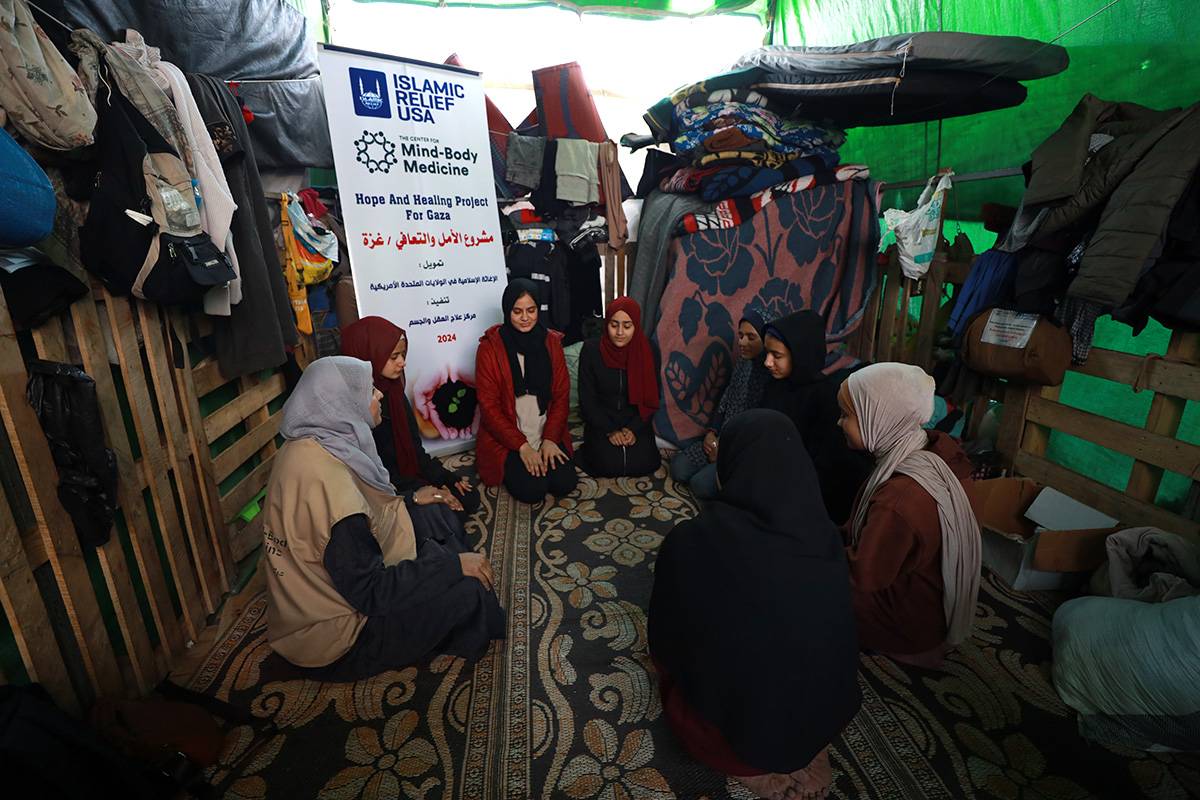
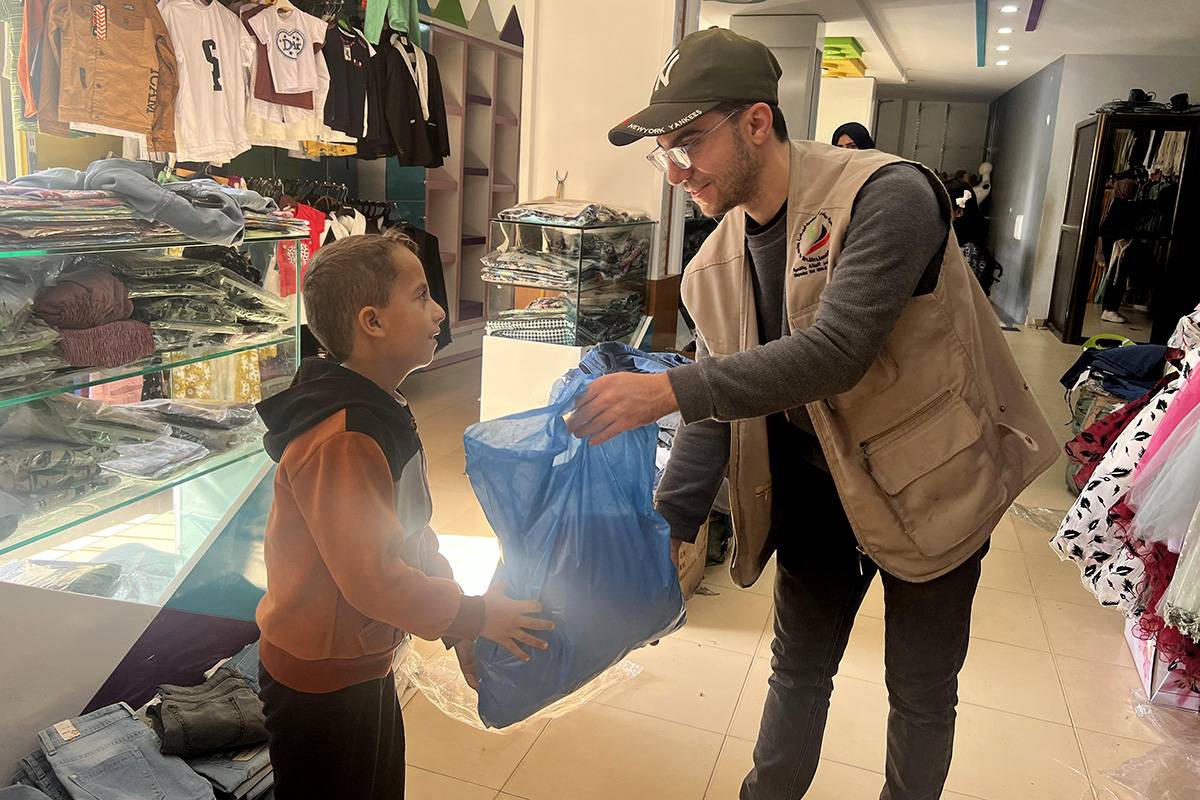
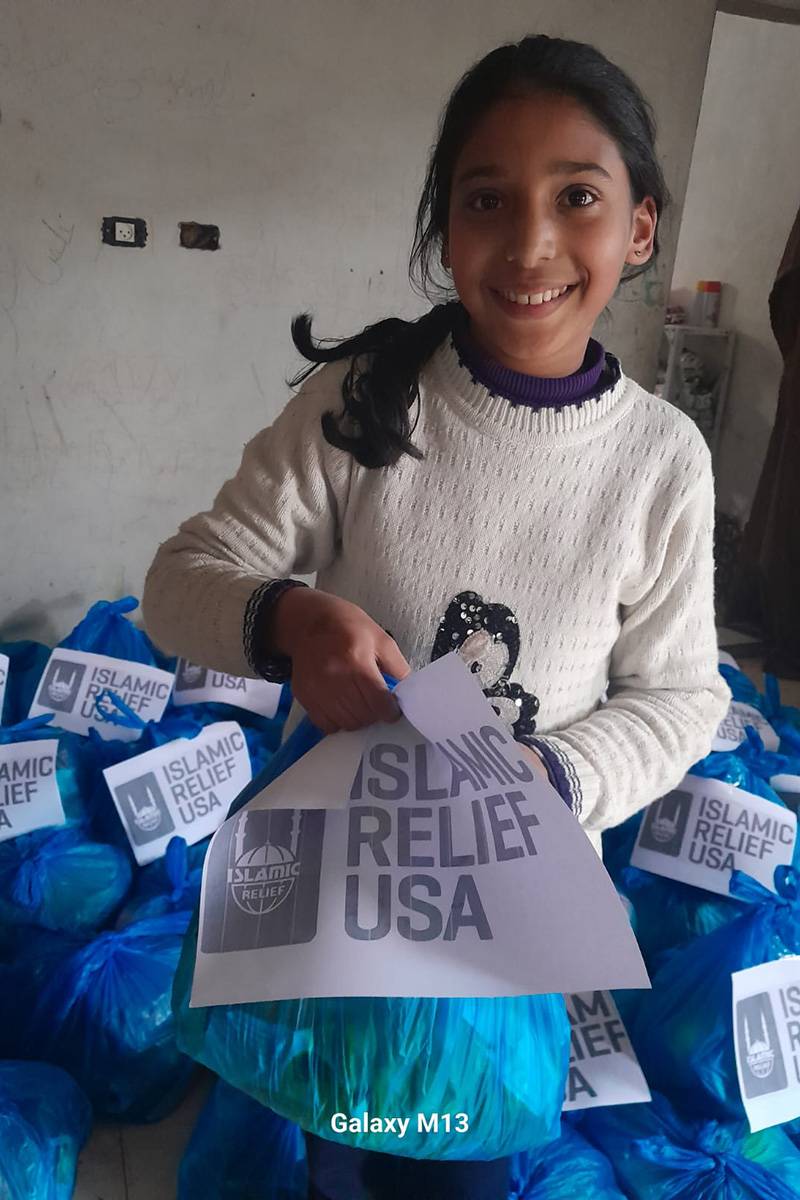
Your continued support provides emergency aid, including food, water, medical care, and mental health support across Palestine. Every donation is a lifeline of hope for families facing crisis.
Emergency Response
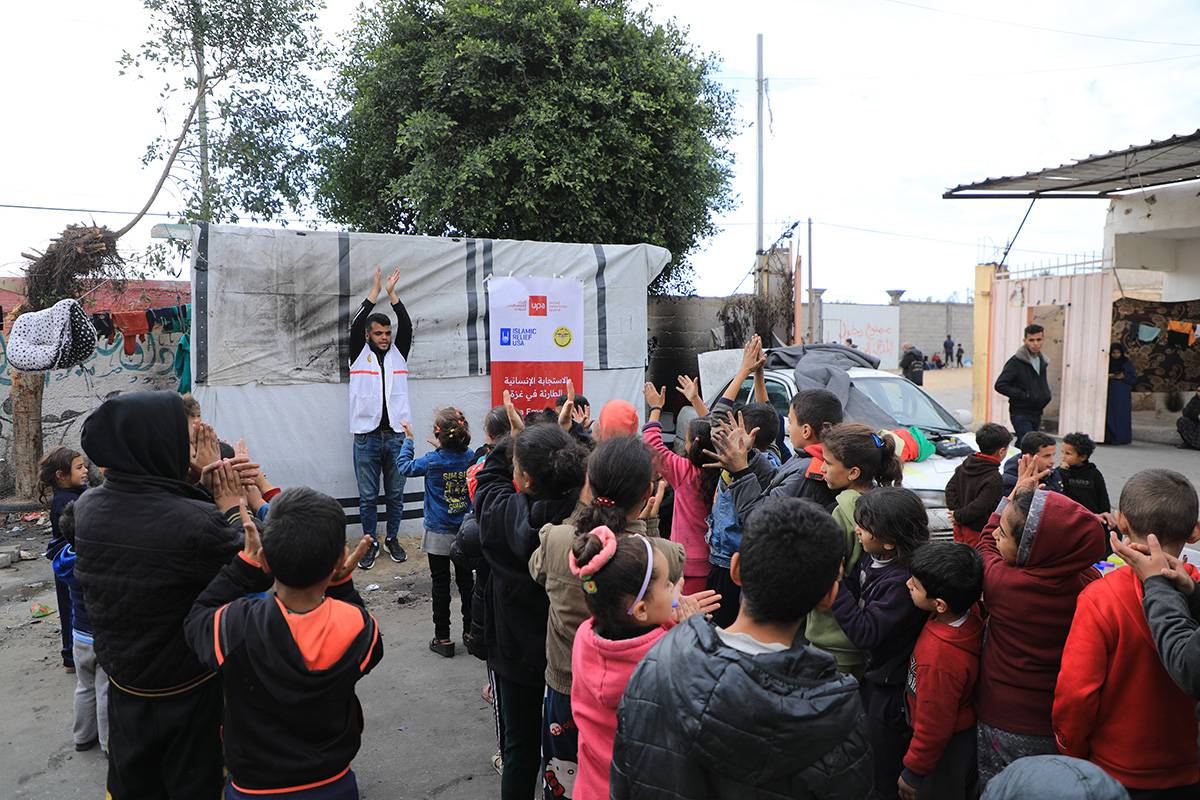
With 90% of the population displaced, the need for direct intervention is critical. Support emergency food, water, and medical relief specifically for those on the ground in Gaza.
Palestine is a country in the Middle East that faces severe, compounding crises due to ongoing violence, prolonged blockades, and a devastating loss of critical infrastructure.
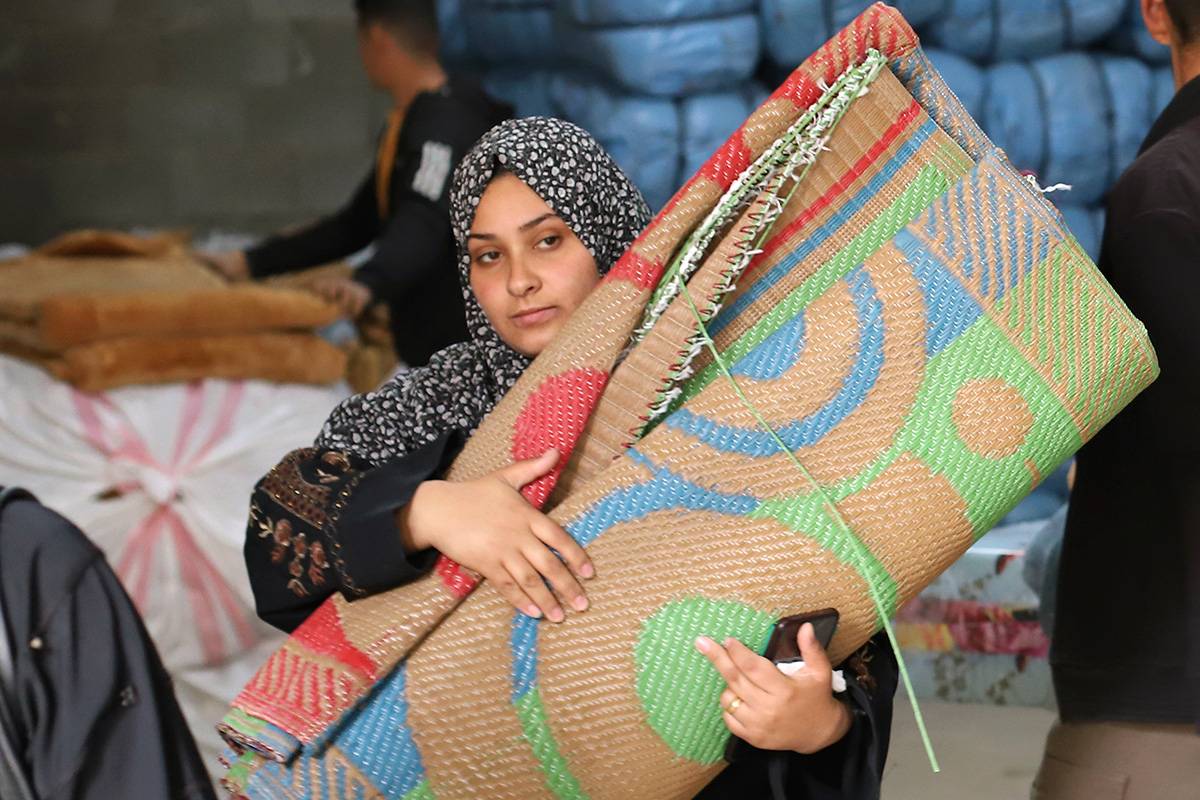
Humanitarian Crisis and DisplacementEscalations in violence have caused one of the most severe humanitarian emergencies in the world. Millions of Palestinians are internally displaced, forced into overcrowded shelters or living on the streets without adequate protection of basic necessities.
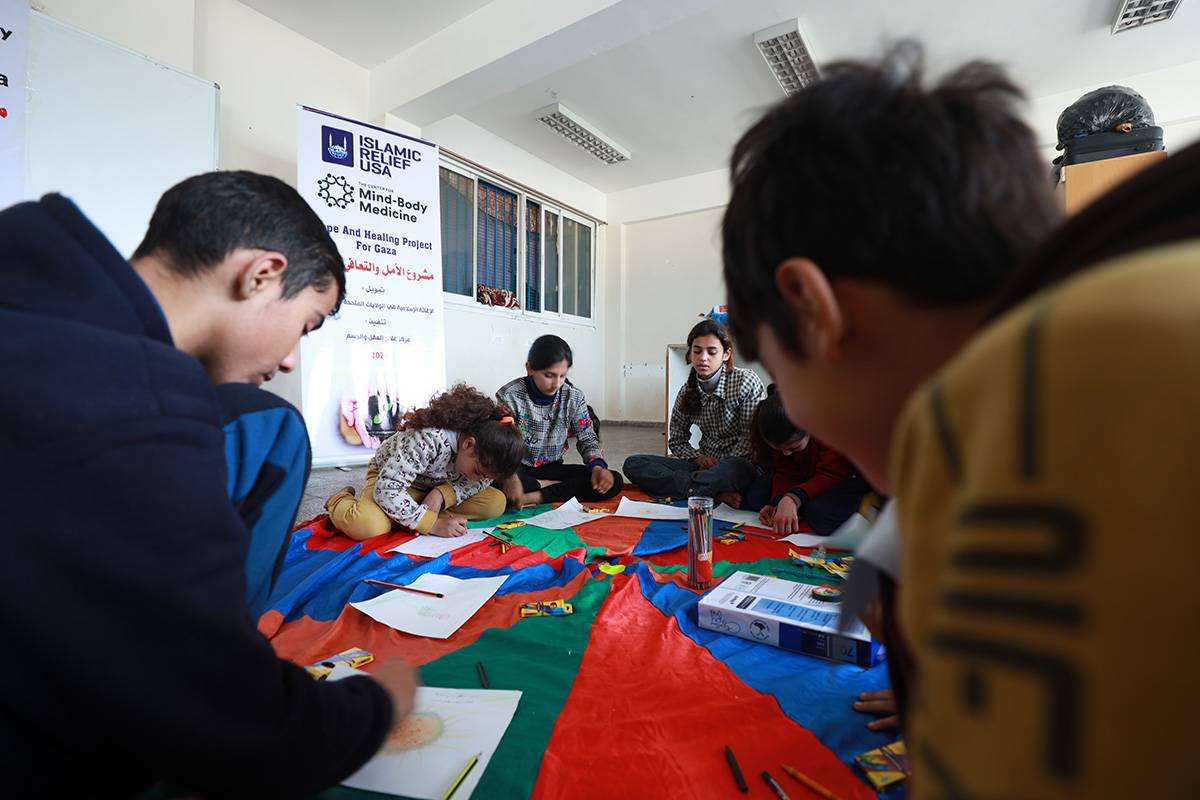
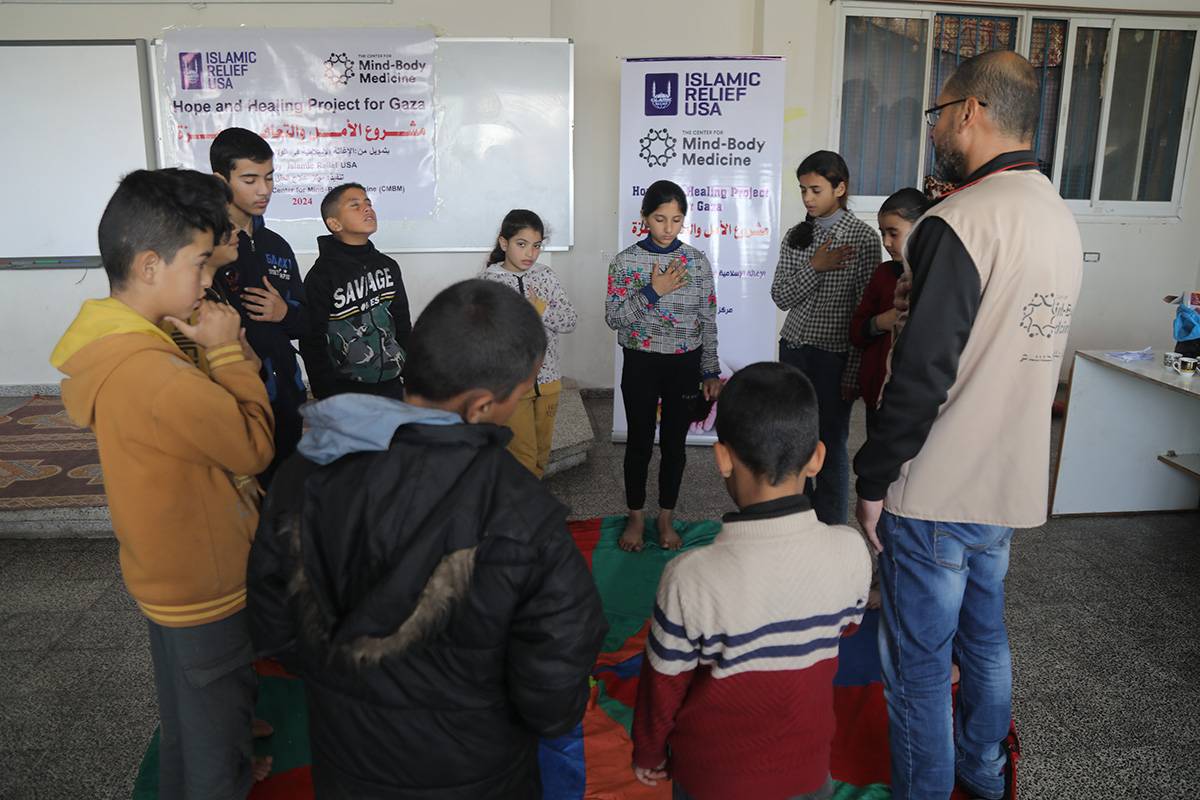
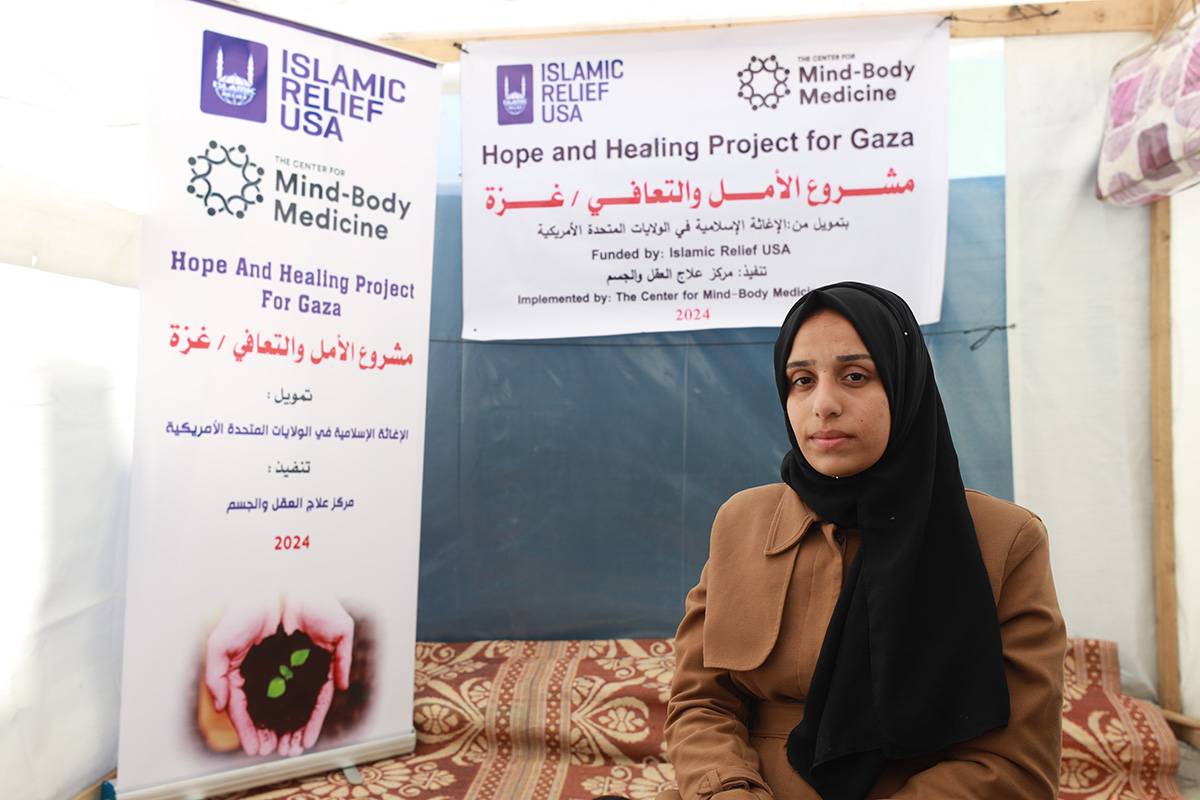
Islamic Relief USA has been working on the ground in Palestine for decades. In addition to providing rapid emergency relief during times of severe crisis, IRUSA works with established local partners to implement long-term development programs that help rebuild communities, deliver essential services, and bring hope to the people of Palestine.
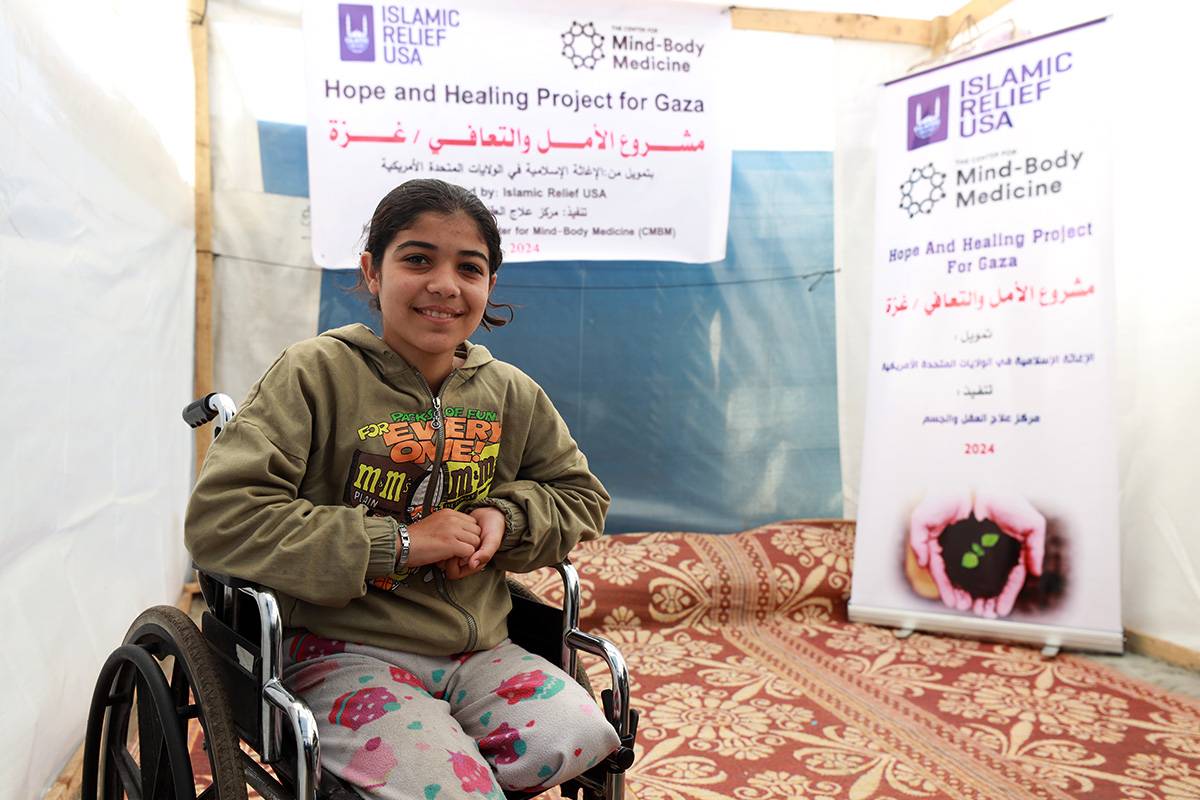
A few of our interventions include


THERE ARE MANY QUESTIONS ABOUT HOW WE GET AID INTO PALESTINE.
We hear you! So we want to let you know how our teams work on the ground to deliver your donations to the people in need.
The blockade of food and other supplies into Gaza is a major concern that many organizations are experiencing as they work to deliver humanitarian aid inside Palestine.
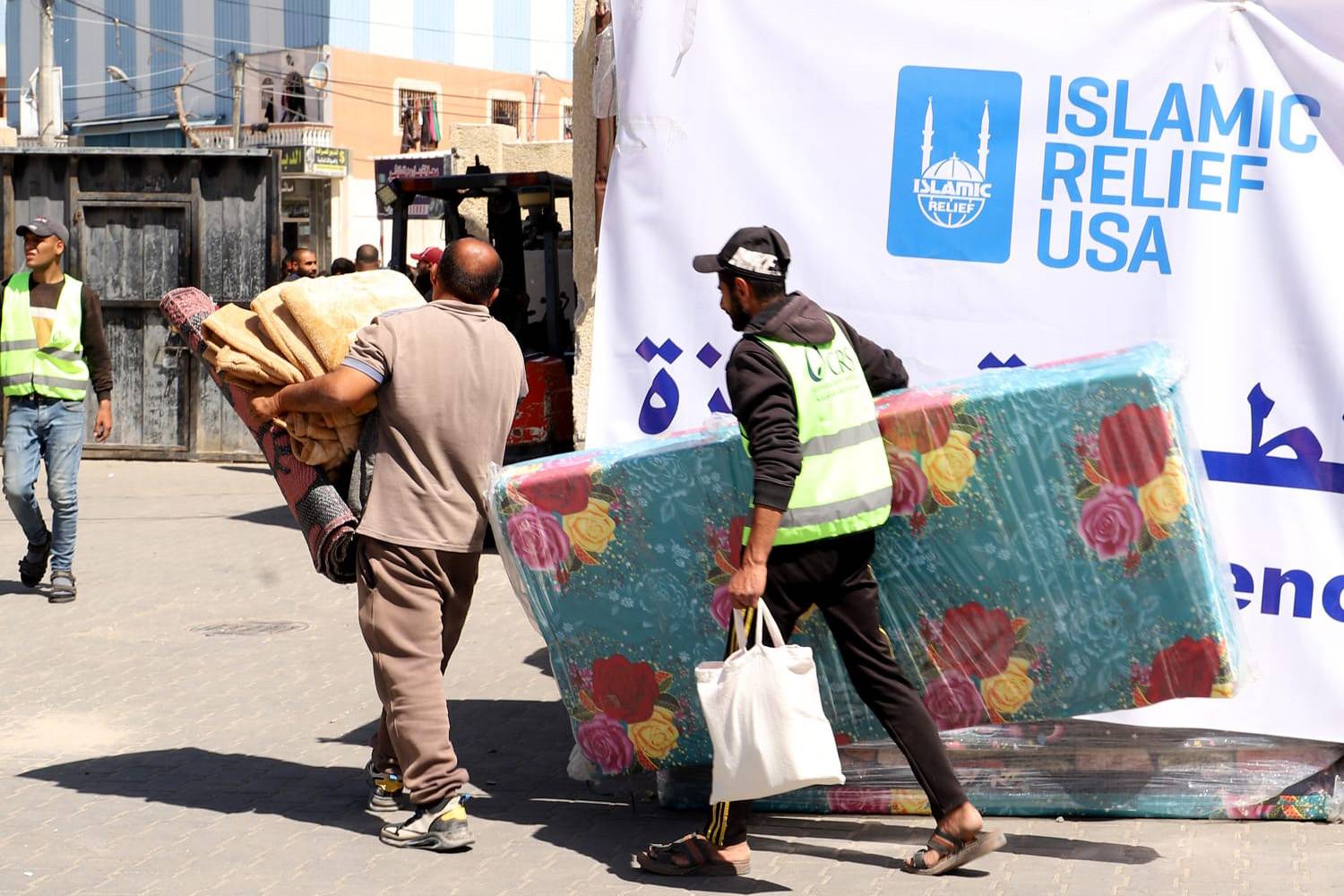
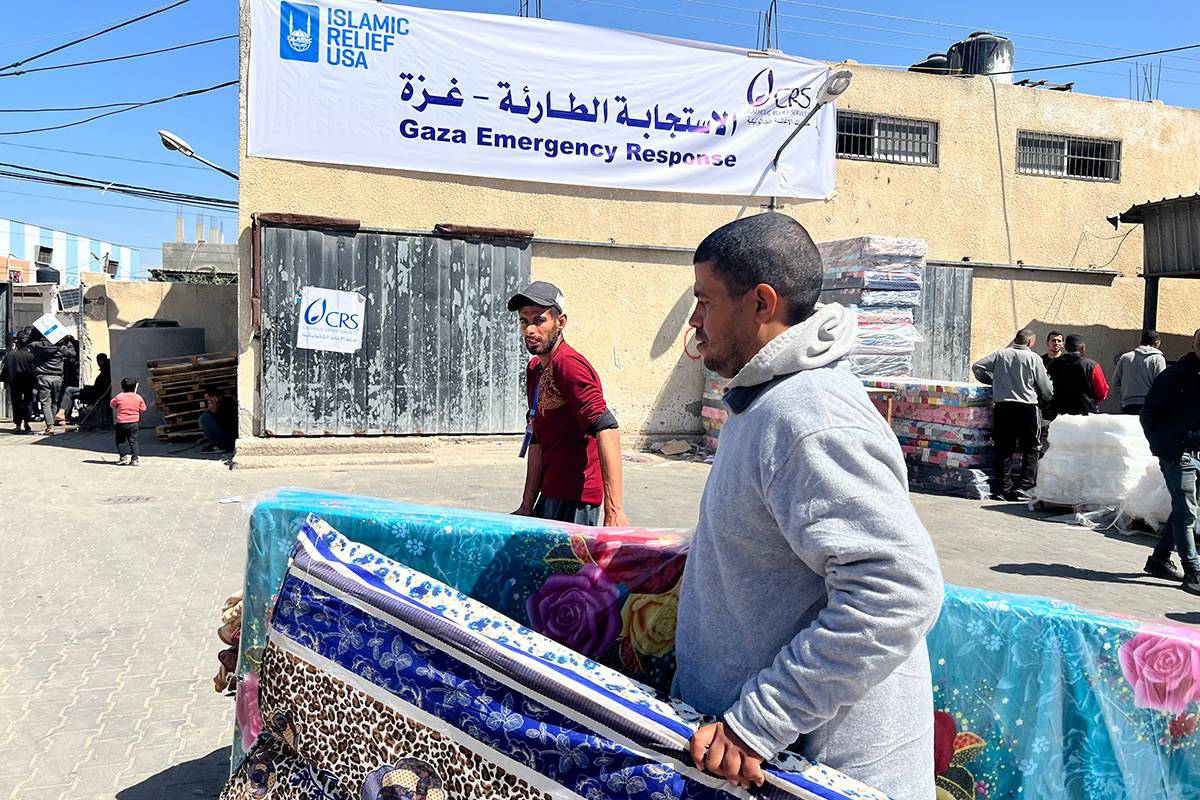
Local procurement is happening where possible,but largely, things are being brought in from outside based on whatever crossings are open at the time. The crossings and their openings constantly shift.
There are major delays in getting items through, but our partners are able to do so. IRUSA strongly supports the establishment of a permanent humanitarian corridor, which would allow the safe transit of humanitarian aid, to support the people of Palestine at this time.
IRUSA receives updates on the community’s immediate needs through partner organizations that have local staff and offices on the ground. We have a long and successful history of working through established local partnerships to deliver urgent support and implement development projects for Palestinians, including improving access to healthcare, psychosocial support, education, and livelihoods. Together, our response is that much stronger and wider in reach, especially when it is needed most.
During times of crisis and emergency, banks and monetary institutions are often impacted. This can prevent families from accessing banks and withdrawing funds. Humanitarian organizations have existing relationships with banks and available funds on reserve that they can access and utilize during such emergency crises to ensure a quick response.
Humanitarian organizations are able to assess needs on the ground on a wider scale, and in coordination with relevant actors (i.e. ministries and UN Clusters) to determine the best way to utilize funds as per the urgent needs on the ground. Humanitarian organizations also have standards they must maintain to ensure high-quality assistance is provided such as operating standards and quality of aid, while also ensuring there is no duplication so that every person can be reached equitably.
IRUSA already has active and ongoing relationships through its partners on the ground who maintain local offices and can quickly implement aid directly, especially during emergencies. When working with local partners, these relationships are already determined before a project is signed and before funds are transferred.
The humanitarian needs across Palestine are immense, with almost the entire population of Palestinians relying on humanitarian agencies to meet their basic needs. Unfortunately, big governments don’t provide enough assistance to reach all those in need and major cuts in funding in recent years have only made this worse.
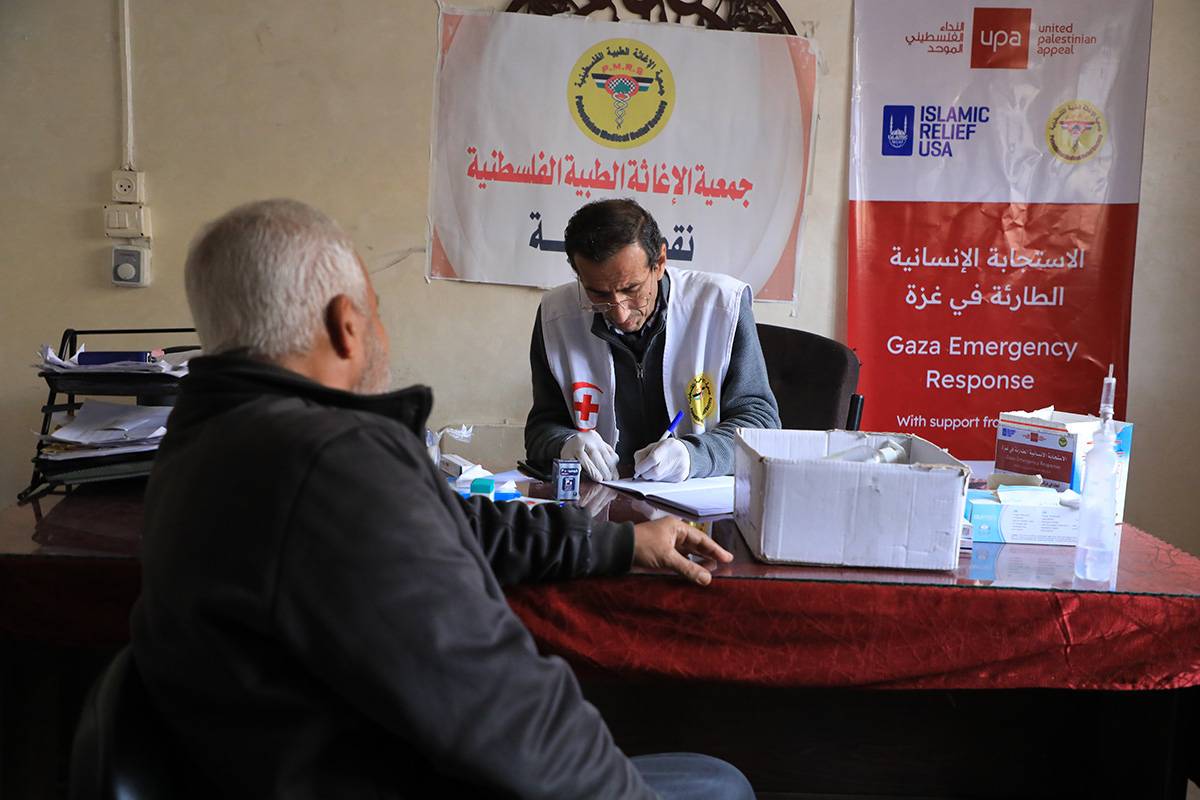
After two years of violence, Gaza’s health system has become severely deteriorated but few facilities remain operational at some capacity. According to the UN Office for the Coordination of Humanitarian Affairs (OCHA) 36% of primary healthcare centers and 50% of field hospitals are functioning with minimal resources and staff. Medical staff are extremely overwhelmed, patients have to wait many hours to be seen, if seen at all, and medical care and treatment is provided based on what’s available.
While many hospitals have been damaged or forced to close, a number of facilities and field clinics like Al Ahli Hospital remain partially functional. These facilities are still treating patients under extraordinary conditions. IRUSA works through trusted partners who have longstanding relationships with these facilities, enabling us to channel supplies, support, and funding to where it’s most needed.
Some medical supplies were prepositioned in Gaza before the most recent escalation. Since then, our partners have been able to bring in additional shipments whenever humanitarian convoys have been allowed to enter. Access is severely restricted and often delayed, but these limited openings make it possible to keep at least some clinics and hospitals operating.
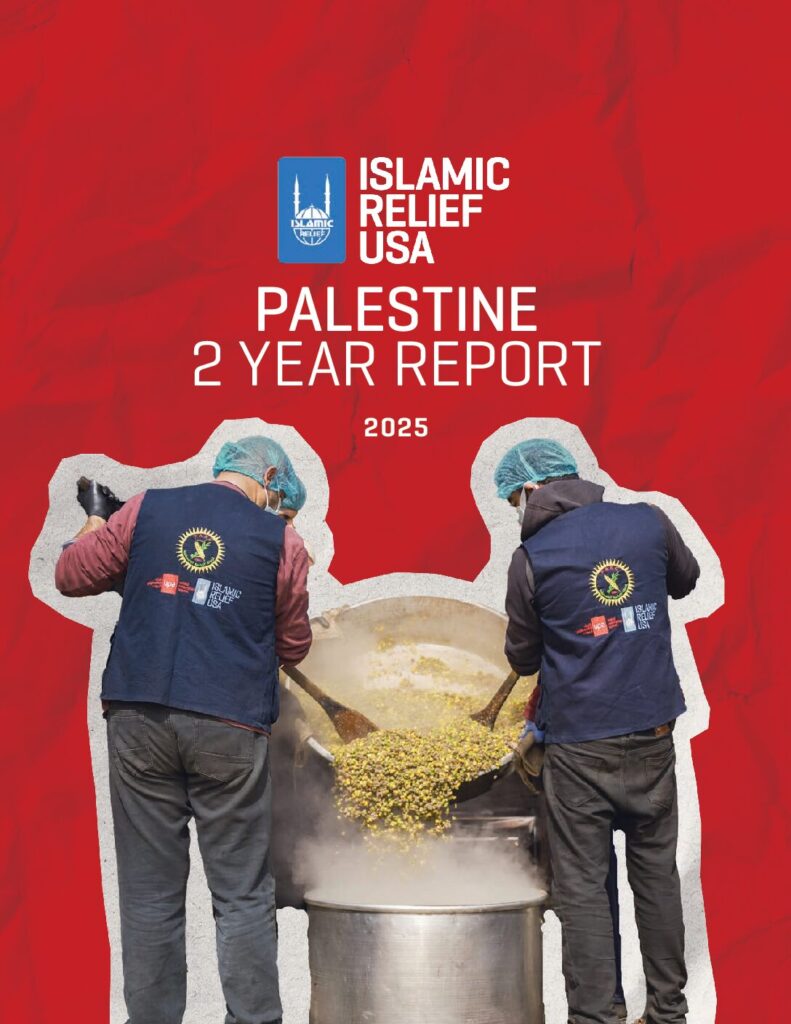
Transparency is our key value. That is why we post pictures, share videos, and, most importantly, we account for every dollar given through reports on our website and audits every single year.
*Currently, all funds collected for Palestine are supporting emergency efforts in Gaza due to the immense and immediate needs of families there.